

The Legal Requirement For Landlords to Conduct an Annual Gas Safety Check
Landlords are required to conduct annual gas safety inspections on all appliances, flues and pipework within their properties. They are legally required to conduct the checks to ensure compliance with tenancy agreements and legal regulations.
Engineers may also formally classify them as "At risk" if they do not install inspection hatches. This could lead to penalties or legal action.
Free Inspection Facility
If you are a landlord it is your responsibility to ensure that all of your gas appliances and flues are safe for use. This will ensure that your tenants aren't exposed to dangerous levels of carbon monoxide poisoning. A professional gas safety inspection can be performed for a small price, and you can get the peace of mind from knowing that your tenants are secure.
A gas safety certificate (CP12) is an official document that confirms the safety and effectiveness of gas appliances in an establishment. It is legally required for anyone who leases out their property and can help you to meet your legal obligations.
During the inspection, a skilled gas engineer will examine the gas appliances in your home to make sure they are safe to use. He will also inspect the flue system for obstructions and to ensure that it meets the building regulations. The engineer will also check whether the gas meter is tightened and test the air supply for leaks.
Landlords are accountable for arranging and paying for gas safety inspections every year however, tenants may be eligible for a free inspection provided they meet certain requirements. Typically, tenants have to be receiving a welfare benefit that is based on income or living in a property that has children under five, an individual who is chronically ill or disabled or a senior that is eligible for pension. Certain homeowners are eligible for an inspection for carbon monoxide free when their home is in danger.
When it comes to arranging your annual gas safety inspection it is essential to select an engineer that is registered with Gas Safe Register. You can look up the official website or ask your engineer to show you his or her ID card. A reliable engineer will not hesitate to show you his credentials.
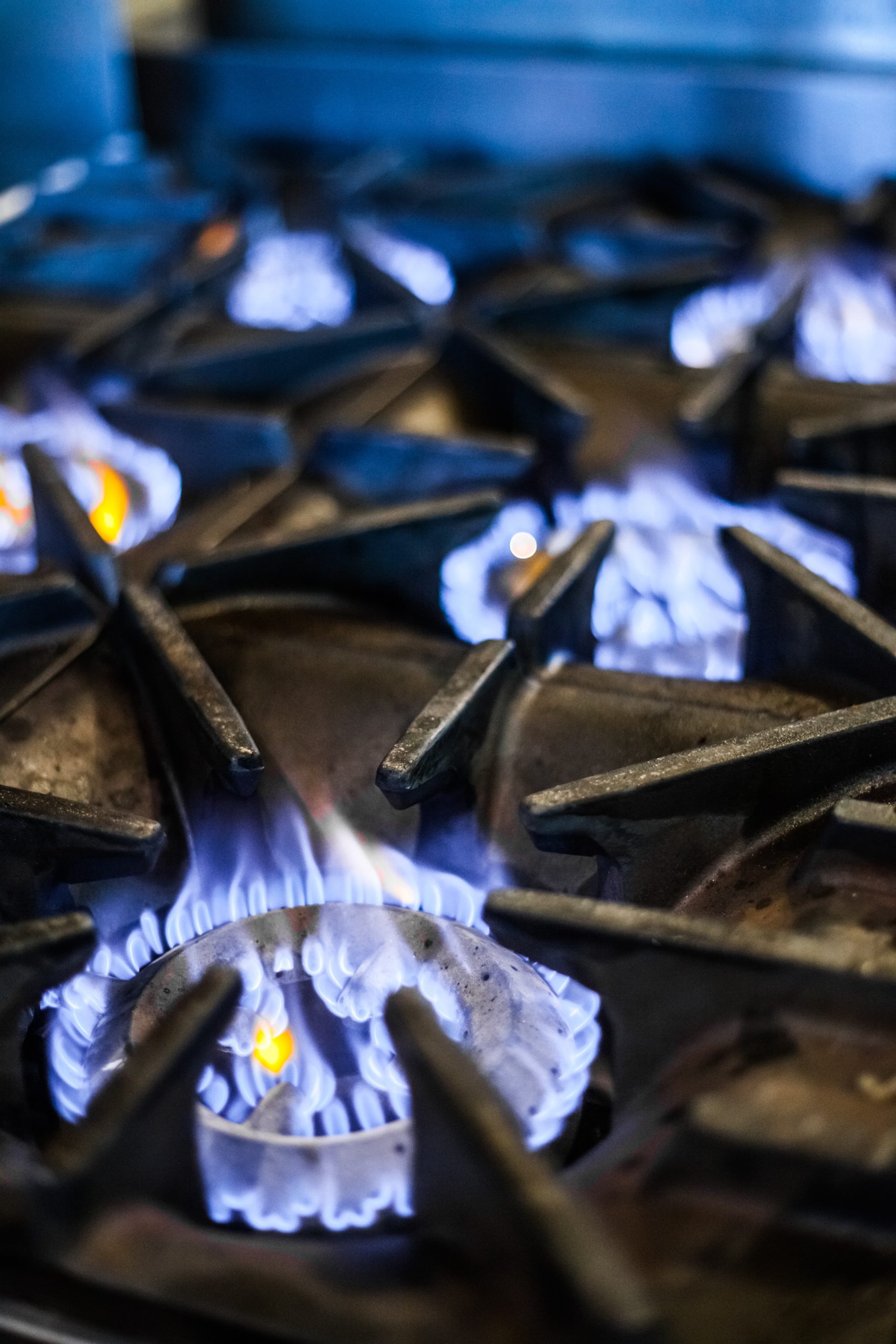
Regular gas safety inspections are an investment that can save you money in the long run by avoiding costly repairs and replacing defective equipment. This is also a great method to protect your loved ones from the dangers of carbon monoxide poisoning.
Landlord's responsibility
As a landlord, it is your responsibility to arrange an annual gas safety check for any appliances that are part of your rental property that you provide to your tenants. This includes all portable or fixed appliances and flues. Also, you must make sure that the gas pipes that are in your rental property, that connect to these appliances are secure. This is a legal requirement in The Gas Safety (Installation and Use) Regulations 1998.
A CP12 certifies that each gas appliance, flue or pipework passed the gas safety inspection. It is also the responsibility of the landlord to keep the records of these inspections, and to give copies to existing tenants within 28 days, and to new tenants before they move into.
If a landlord neglects to perform an annual safety check for any of their gas appliances, it's a criminal offence and they could be fined or being prosecuted. It is essential to get your gas appliances examined by an Gas Safe engineer. Also ensure that you display the CP12 at the entrance of your rental property.
It is recommended to give your tenants as much notice as possible prior to the appointment, and ask them to will allow the engineer in their home to conduct the gas safety check. Most tenants will be able to comply with your request. If they refuse, you may need to take legal action.
It is best to communicate with your tenants to explain how important these security inspections are. If you can educate them on the dangers of not allowing engineers into their homes then they will be more likely to comply with your requests.
The CP12 certificate is the official document which confirms that your appliances have been tested by a Gas Safe registered engineer and are safe to use. It is a legal requirement for landlords to possess one of these documents. It should be displayed in the rental property you are renting. The CP12 certifies that all repairs were performed by an Gas Safe registered technician. This is a crucial piece of information for tenants and potential buyers.
Qualified Engineers
Getting an annual gas safety test is a legal requirement for landlords. It is crucial to ensure the safety and security of tenants and can stop explosions and fires as well as carbon monoxide poisoning. You should choose an engineer who is qualified and has an active Gas Safe Registration. This will ensure that the inspection is carried out correctly. You should also ask whether the engineers have any previous experience working on commercial and residential properties.
During the inspection, the engineer will require access to all gas appliances and flues that are on your property. The engineer will examine the operation of the appliances and inspect the pipes. They will also evaluate the safety and state of the appliances. The engineer will issue a landlord's gas safety certificate (CP12) an official document which shows that the gas appliances are safe to use. Landlords must give an original copy of this certificate to their current tenants as well as any new tenants before they move in.
You must ensure that your tenants are allowed by the engineer to enter the property to conduct an inspection. Be persistent in convincing tenants to allow the engineer into their property. Consider sending gas safety engineer milton keynes to tenants asking for permission to enter their home to the engineer for the inspection. Alternatively, you could sign an agreement for a service contract that covers annual gas safety checks and maintenance of the boiler. This could be cheaper over time, particularly when you need to inspect many properties every year.
Landlords are required to schedule an annual gas safety test and provide the CP12 certificate for each of the gas appliances they have in their rental property. The CP12 certifies that the gas appliances and pipelines have been checked by a registered engineer who is Gas Safe. The CP12 is required to be handed out to all tenants within 28 days, and to new tenants prior to moving in. Landlords also need to keep a record of the CP12 for a period of two years.
Gas Safe registered engineers must inspect all gas appliances and flues each year. This is legally required. Landlords must provide an CP12 to their tenants within 28 days after the inspection, and new tenants before they can move into. A landlord can be fined if they fail to comply with the law.
Insurance Cover
A professional gas engineer conducts a gas safety inspection to ensure that the gas appliances and pipes are safe. They will search for leaks or carbon monoxide emissions and other dangers that could pose a risk to the people living there. They will also test the gas appliances for pressure, flames and ventilation.
The cost of a gas safety test will depend on the type of property and the number of gas appliances that need to be tested. If you have multiple properties, you might be eligible for discounted rates for combining inspections. Additionally, some companies provide out-of-hours services for an additional fee.
Landlords who rent out their properties must ensure that their gas safety checks are up-to-date. This is a legal requirement in law and ignoring it could result in a fine or jail time.
If you have an agent for renting they'll probably arrange for the annual gas safety inspection. You should make sure that their responsibilities are clearly stated in the contract you have with them.
The engineer will provide you with the Gas Safety Record (CP12) after the check. This document is required by law for those who lease out their property. It will provide the details of the tests and any issues that are discovered. This is important to share with new tenants and to keep copies for yourself.
It is rare for a renter to refuse access to their home during a gas safety inspection is being conducted. Usually, they are either concerned that it will be an invasion of privacy or think it is part of the lease. In any case, it is important to remind them that the CP12 gas safety certificate is a legal requirement and they are at risk of carbon monoxide poisoning in the event that they do not cooperate.